
Pediatric Sleep Disordered Breathing
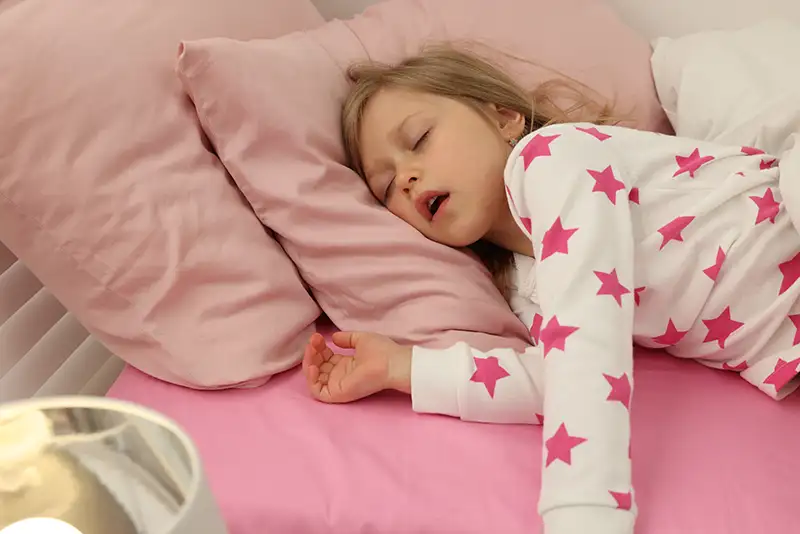
We all know when we are sick and stuffed up that we don’t breath or sleep well. Now imagine that for your child, who might be dealing with it all of the time! Children with Pediatric Sleep Disordered Breathing have an airway dysfunction that doesn’t allow as much oxygen in through their nose and mouth like normal kids. They struggle to breath on a constant basis without anyone realizing there is a problem. Although, kids are resilient and adaptable, these struggles take a toil on their young bodies and minds. Pediatric Sleep Disordered Breathing (SDB) affects about 15% of children, and of those, roughly 80% of mild to severe cases go undiagnosed.
What are the signs to look for Pediatric Sleep Disordered Breathing?
- ADD/ADHD Symptoms
- Bedwetting
- Depression
- Crowded Teeth
- Consistent Mouth Breathing
ADD/ADHD Symptoms
Your child may have been diagnosed with ADD or ADHD, or just seem to have symptoms that make it seem like they have ADD or ADHD. Symptoms of inability to focus, impulsivity, distractibility, or irritability could very well be from not getting enough quality sleep at night that stems from airway passages not being as open as they need to be, like in pediatric sleep disordered breathing.
Bedwetting
This might seem like an odd one, but airway obstruction and bedwetting are strongly linked signs. Sleep disorder breathing doesn’t allow a child to get in to a deep sleep. In turn, this triggers stress and hormonal imbalance that increases urine production. In children, this leads to more bedwetting because they are less able to control their bladder when sleeping.
Depression
Feeling fatigued and insomnia can effect a child’s normal emotional responses, making them seem like they are depressed or react negatively. This can make them be or feel more depressed.
Crowded Teeth
This can be a clear indicator because if teeth are position poorly or crowded it is a sign of an undeveloped jaw and quite likely an underdeveloped airway. An overbite or overjet can also obstruct normal airflow.
Consistent Mouth Breathing
Mouth breathing in a child is a sign of something more serious going on in their airways. Mouthing breathing is also associated with snoring and poor health in a child and should be checked into.
How To Find Out and Resolve Pediatric Sleep Disordered Breathing?
A solutions may be as close as your dentist! Look for ones that specialize in more than just cavities and straighten teeth. An airway specialist or functional orthodontist can elvaluate if your child has an issue that could be corrected through these non-surgical methods. Those that have certifications in airway orthodontics or airway centered approach with appliances can put your child back on the right track to a healthier life. Often times these appliances also can resolve crowded teeth problems without the need for more costly braces, so it really can be a win-win all around for your child.